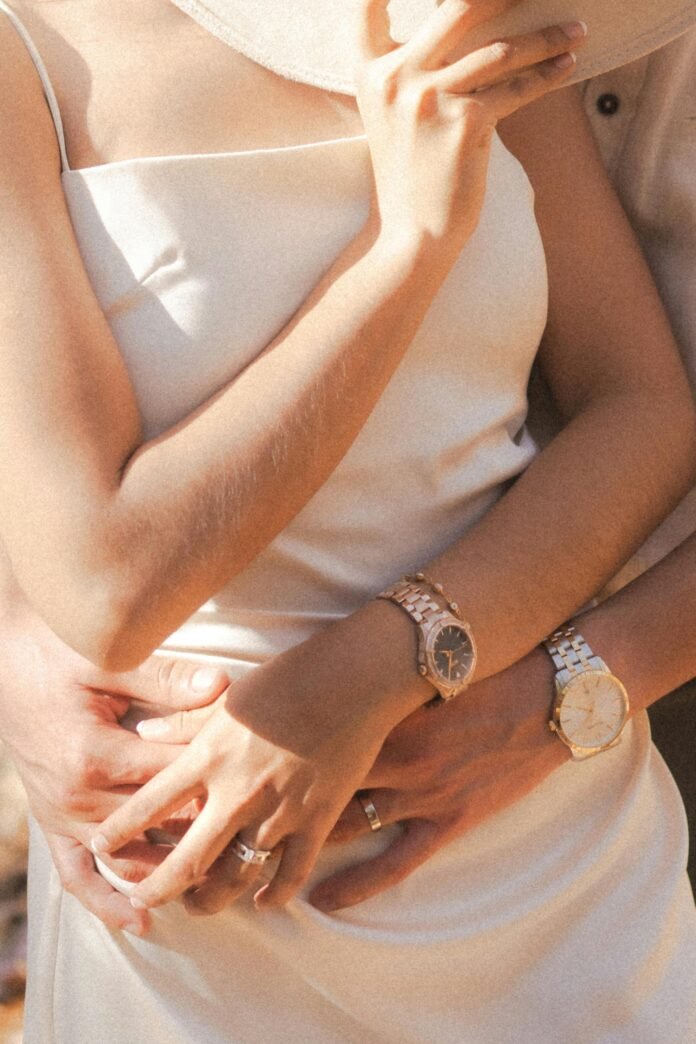
Layering accessories is an art form in fashion. When done thoughtfully, it elevates a simple outfit, adds personality, and demonstrates style confidence. Mixing watches, belts, and jewelry can create a cohesive, polished look—but overdoing it or mismatching pieces can appear cluttered or chaotic. This guide explores how to layer accessories effectively, highlighting techniques, tips, and rules for achieving balance and elegance.
1. Why Layering Accessories Matters
Accessories are more than decorative—they define and complete a look:
- Adds Dimension: Layering creates depth and visual interest
- Personal Expression: Communicates style, mood, and personality
- Outfit Elevation: Transforms casual outfits into polished ensembles
- Versatility: Allows a single outfit to transition from day to night with different accessory combinations
By mastering layering, you can make your accessories work harmoniously without overwhelming your outfit.
2. The Basics of Layering Watches
Watches are both functional and fashionable. When layering:
- Single Statement Watch: Works alone as a focal point
- Stacking with Bracelets: Pair minimalist watches with slim bracelets for elegance
- Mixing Metals: Gold and silver can be combined if balanced across the outfit
- Color Coordination: Match straps with your belt, shoes, or bag for cohesion
Tip: Avoid bulky or oversized watches when stacking with multiple bracelets to maintain harmony.
3. Belt Layering Techniques
Belts define your waist and structure your outfit:
- Over Coats or Blazers: Layer a belt on top of outerwear for a tailored silhouette
- Double Belts: Pair two slim belts for a fashion-forward, edgy look
- Mixing Materials: Leather with fabric or embellished belts adds texture and interest
- Coordinating Colors: Ensure belts complement your shoes or handbag
Tip: Layering belts works best with neutral or complementary tones to avoid visual clutter.
4. Jewelry Layering Essentials
Jewelry can be subtle or bold, depending on the desired effect:
- Necklaces: Layer chains of different lengths and textures
- Bracelets and Bangles: Stack multiple thin bracelets for a chic look, or pair with a watch
- Rings: Mix metals and stones while keeping proportion balanced
- Earrings: Statement earrings can anchor a layered look without overcomplicating
Tip: Varying textures and lengths adds dimension while maintaining a cohesive aesthetic.
5. Combining Watches, Belts, and Jewelry
- Color Harmony: Ensure metals or leather tones complement each other
- Balance Statement Pieces: Pair one bold accessory with subtle companions to avoid competition
- Proportion: Avoid layering oversized pieces together; balance large and small elements
- Stylistic Consistency: Keep a theme (elegant, casual, minimalist) throughout all accessories
Example: A gold watch, slim leather belt, and delicate layered bracelets create a refined, cohesive look.
6. Layering by Outfit Type
Casual Outfits
- Denim and T-shirt: Pair a fabric belt with a casual watch and stackable bracelets
- Casual Dresses: Skinny belt around the waist, subtle necklaces, and rings
Office and Professional Attire
- Tailored Pants and Blazer: Leather belt, minimalist watch, and one or two elegant bracelets
- Dresses or Skirts: Structured belt, classic watch, and understated jewelry
Evening or Formal Wear
- Cocktail Dress: Metallic belt, statement watch, and bold layered necklaces
- Jumpsuits or Gowns: Slim belt to define waist, chandelier earrings, and subtle stacked rings
Tip: Adjust layering complexity according to the formality of the outfit.
7. Layering Tips for Different Metals
- Monochrome Metal: All gold, all silver, or all rose gold for uniform elegance
- Mixed Metals: Balance gold and silver; avoid excess contrast
- Accent Pieces: Use one metal type as primary and the other as accent to create harmony
- Coordination: Match metal tones to handbag hardware or shoe accents
Tip: A balanced mix of metals can modernize a classic look without feeling disjointed.
8. Layering Textures and Materials
- Leather and Metal: Pair leather belts with metal watches or bracelets
- Fabric and Metal: Woven belts with metallic jewelry for contrast
- Pearls and Leather: Sophisticated layering by mixing soft and structured textures
- Minimal vs Statement: Pair simple textures with one standout piece
Tip: Mixing materials adds dimension and prevents layered accessories from looking monotonous.
9. Common Mistakes to Avoid
- Over-Accessorizing: Too many large or bold items can overwhelm your look
- Ignoring Proportion: Balance large accessories with smaller complementary pieces
- Clashing Metals or Colors: Uncoordinated tones distract from the outfit
- Neglecting Outfit Context: Avoid casual layering for formal events or vice versa
Tip: Step back and assess your layered accessories for balance before leaving home.
10. Seasonal Layering Considerations
- Spring & Summer: Lighter, fabric-based belts, colorful or delicate jewelry, and minimalist watches
- Fall & Winter: Leather belts, metal watches, scarves, and layered bracelets or cuffs
- Special Occasions: Metallic belts, statement jewelry, and elegant watches for a polished look
Seasonal adaptations keep layered accessories fresh and appropriate year-round.
11. Accessory Layering for Different Body Types
- Petite Figures: Stick to slim belts, small watches, and delicate jewelry
- Tall Figures: Experiment with larger belts, statement watches, and layered necklaces
- Curvy Figures: Wide belts to define the waist, medium watches, and balanced bracelet stacks
- Athletic Builds: Layer accessories to add softness and dimension
Proper proportion ensures layered accessories enhance your figure rather than overwhelm it.
12. Final Tips for Mastering Accessory Layering
- Start simple: Begin with one accessory type and gradually add layers
- Keep a focal point: Let one piece stand out while others complement
- Consider color, texture, and material harmony
- Adjust based on occasion, outfit, and personal style
- Confidence is key: Accessories are most effective when worn with assurance
Tip: Practice layering at home before trying it in public to perfect your combinations.
Conclusion
Layering watches, belts, and jewelry allows you to express your personal style while adding depth and sophistication to any outfit. By considering proportion, color, texture, and occasion, you can achieve a balanced and cohesive look. Avoid over-accessorizing, choose complementary materials, and ensure one piece serves as the focal point. With thoughtful layering, your accessories can elevate casual, professional, and formal outfits, demonstrating a polished, fashion-forward sense of style.