
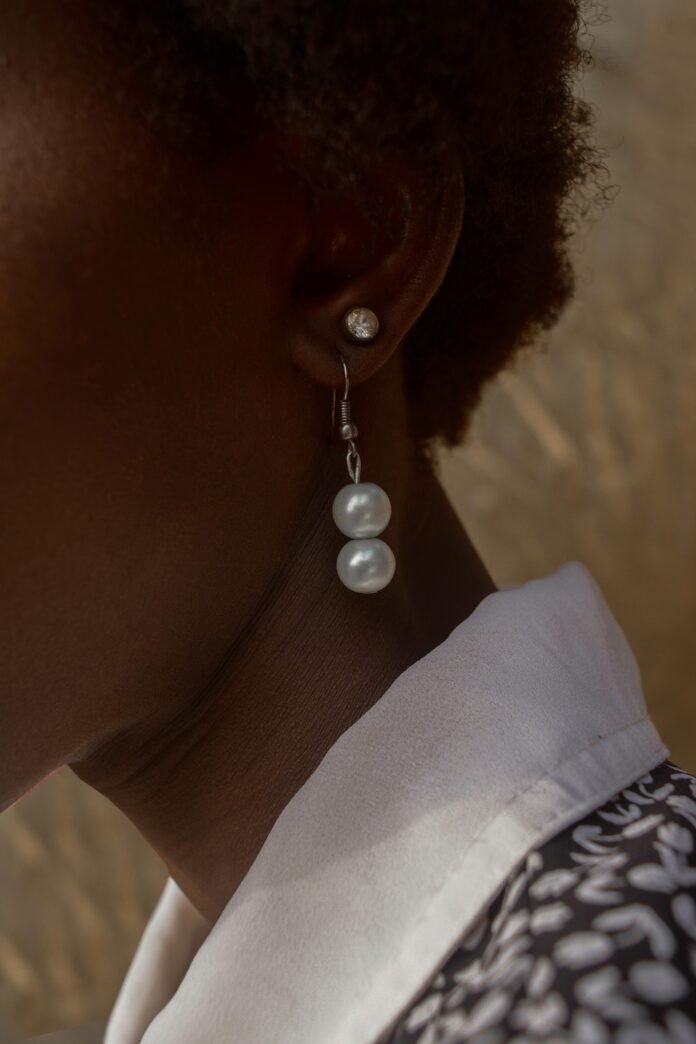
When shopping for accessories—whether it’s jewelry, handbags, belts, or scarves—understanding the difference between materials and craftsmanship is the key to making smart purchasing decisions. Many items look similar at first glance, but dramatically differ in durability, comfort, and long-term value. This guide breaks down how to compare materials, evaluate craftsmanship, and understand brand differences so that you always know what you’re paying for.
1. Why Understanding Materials Matters
Two accessories may look identical online—but one may last years while the other falls apart after a few uses.
High-quality materials:
- Last longer
- Look more refined
- Maintain structure and color
- Age beautifully
Always check material composition before buying.
2. How to Compare Leather Types
Leather is one of the most common materials in belts, bags, and wallets.
Highest Quality:
Full-Grain Leather
- Most durable
- Ages with beautiful patina
- Expensive but worth the investment
Mid-Range:
Top-Grain Leather
- Softer and more uniform
- Slightly less durable
- More affordable
Lower Quality:
Genuine Leather
- Cheapest real leather category
- May crack faster
PU or Faux Leather
- Affordable
- Durable but less breathable
- Good for trend-driven pieces
3. Fabric Comparisons for Scarves & Hats
Silk vs Satin
- Silk = natural, breathable, luxurious
- Satin = weave, not a material; can be polyester or silk
Choose silk for quality, satin for affordability.
Wool vs Cashmere
- Wool = warm, structured, durable
- Cashmere = softer, lighter, more luxurious
Best scarves: cashmere-blend for balanced cost and quality.
Cotton vs Linen
- Cotton = soft, versatile
- Linen = breathable, textured
Both ideal for casual accessories.
4. Jewelry Materials: Know What You’re Paying For
Solid Gold
- Highest value
- No tarnishing
- Expensive
Gold Vermeil
- Sterling silver base + thick gold layer
- Affordable luxury
- Good durability
Gold-Plated
- Thin gold layer
- Inexpensive
- Fades faster
Sterling Silver
- Durable, solid
- Requires polishing
Stainless Steel
- Budget-friendly
- Hypoallergenic
- Very durable
Choose jewelry materials based on your skin sensitivity, budget, and desired longevity.
5. Craftsmanship: What to Look For
You can identify high craftsmanship by checking:
Stitching
- Small, even, tight stitches = quality
- Loose or inconsistent stitches = low craftsmanship
Edges & Finishing
- Smooth edges, clean paint or wax finishing
Hardware Quality
- Solid metal zippers and buckles
- No plastic or overly lightweight metal
Interior Construction
- Lining should not feel cheap
- Reinforced seams improve durability
6. How to Compare Brands Intelligently
Brands differ by:
- Craftsmanship
- Material sourcing
- Production method
- Design heritage
Luxury Heritage Brands
Known for craftsmanship and longevity.
Often more expensive due to quality and legacy.
Modern Premium Brands
Offer luxury-grade quality at lower prices due to direct-to-consumer models.
Fast Fashion Brands
Trendy, low cost, but low durability.
Buy only for short-term use.
7. Price vs Value Analysis
A high price doesn’t automatically mean high value.
Choose pieces based on:
- Lifespan
- Cost per wear
- Comfort
- Versatility
- Material longevity
Smart shoppers focus on value, not just price.
Conclusion
Knowing how to compare materials, craftsmanship, and brands empowers you to make smart, confident purchasing choices. With these insights, you can avoid overpaying, identify genuinely high-quality items, and build a wardrobe filled with accessories that last.